Blog
Arborvitae (genus Thuja) are one of the most widely planted evergreens in Michigan landscapes. Their tall, dense foliage makes them natural choices for privacy screens, hedges, or foundation plantings. Many home gardeners favor cultivars like Green Giant, American Pillar, or Emerald Green for their upright growth and year-round greenery. (Better Homes & Gardens)
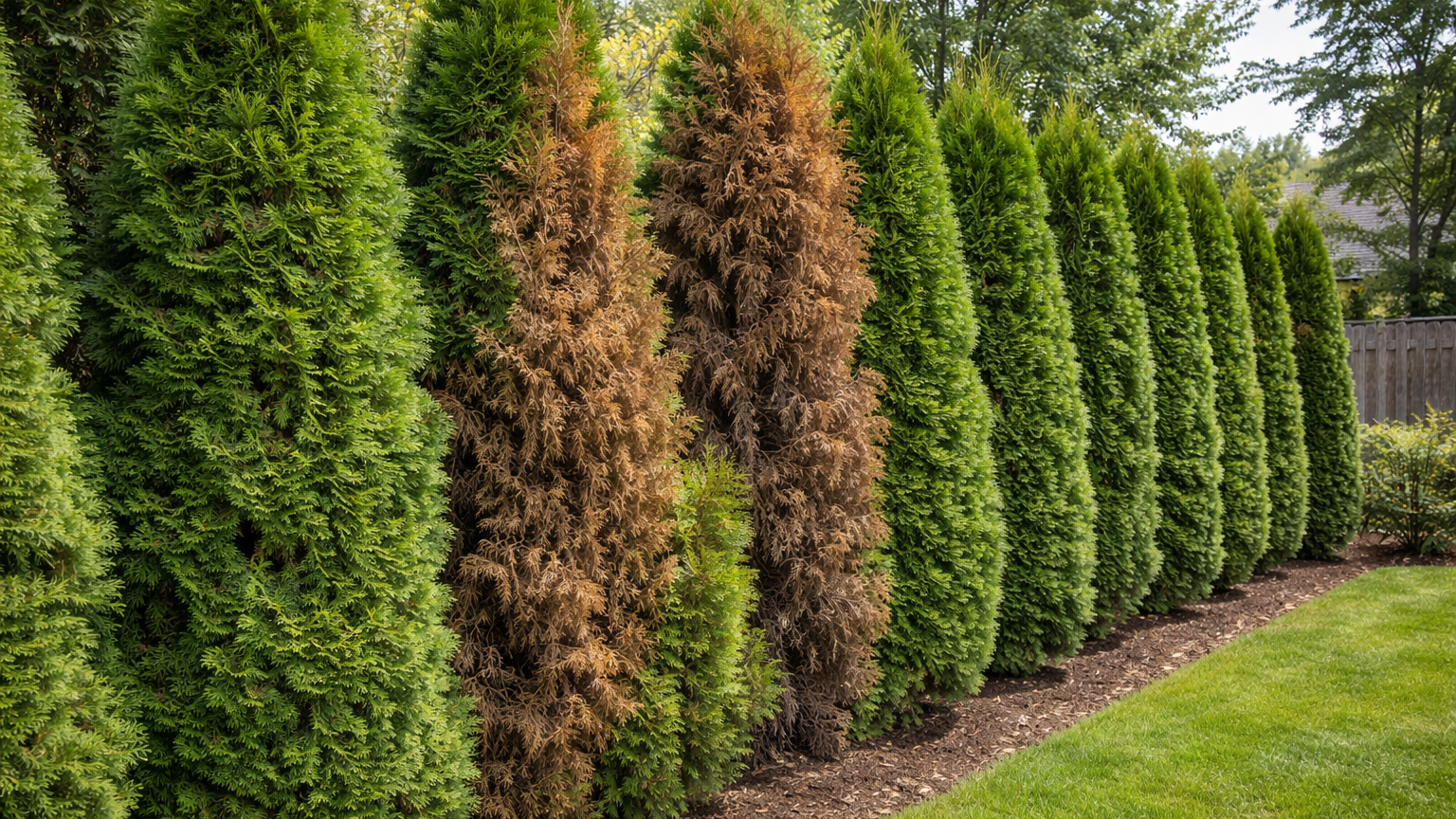
Despite their popularity and general hardiness in USDA Zones 3–7—zones that include Southeast Michigan—arborvitae are not trouble-free. Homeowners frequently encounter issues with insects, environmental stress like winter burn or drought, and watering challenges. Let’s break down the most common problems you’ll see here in and around the Trenton/Detroit area.
1. Insect Problems That Bite and Bore
Although arborvitae aren’t as pest-prone as some plants, several insects can seriously damage them if not caught early:
Bagworms
Bagworms are among the most destructive pests you’ll find on arborvitae. Their caterpillars form distinctive silken bags that hang from branches — often resembling small pine cones. The larvae feed on foliage from inside these protective bags, leading to defoliation and thinning canopies over time. (Yardener Gardening)
Signs of bagworms:
Control tips:
Spider Mites
Spider mites are tiny sap-sucking arthropods that thrive in hot, dry spells. Although they’re microscopic, their effects are visible: foliage becomes stippled or bronzed, fine webbing may appear, and overall tree vigor declines.(Yardener Gardening)
What to watch for:
Management:
Other Insects and Pests
Arborvitae can also be affected by:
One practical tip many gardeners find helpful: regularly inspect your arborvitae during the growing season — especially on the interior of hedges where pests hide. Early detection makes treatment easier.
2. Winter Damage: The Silent Evergreen Killer
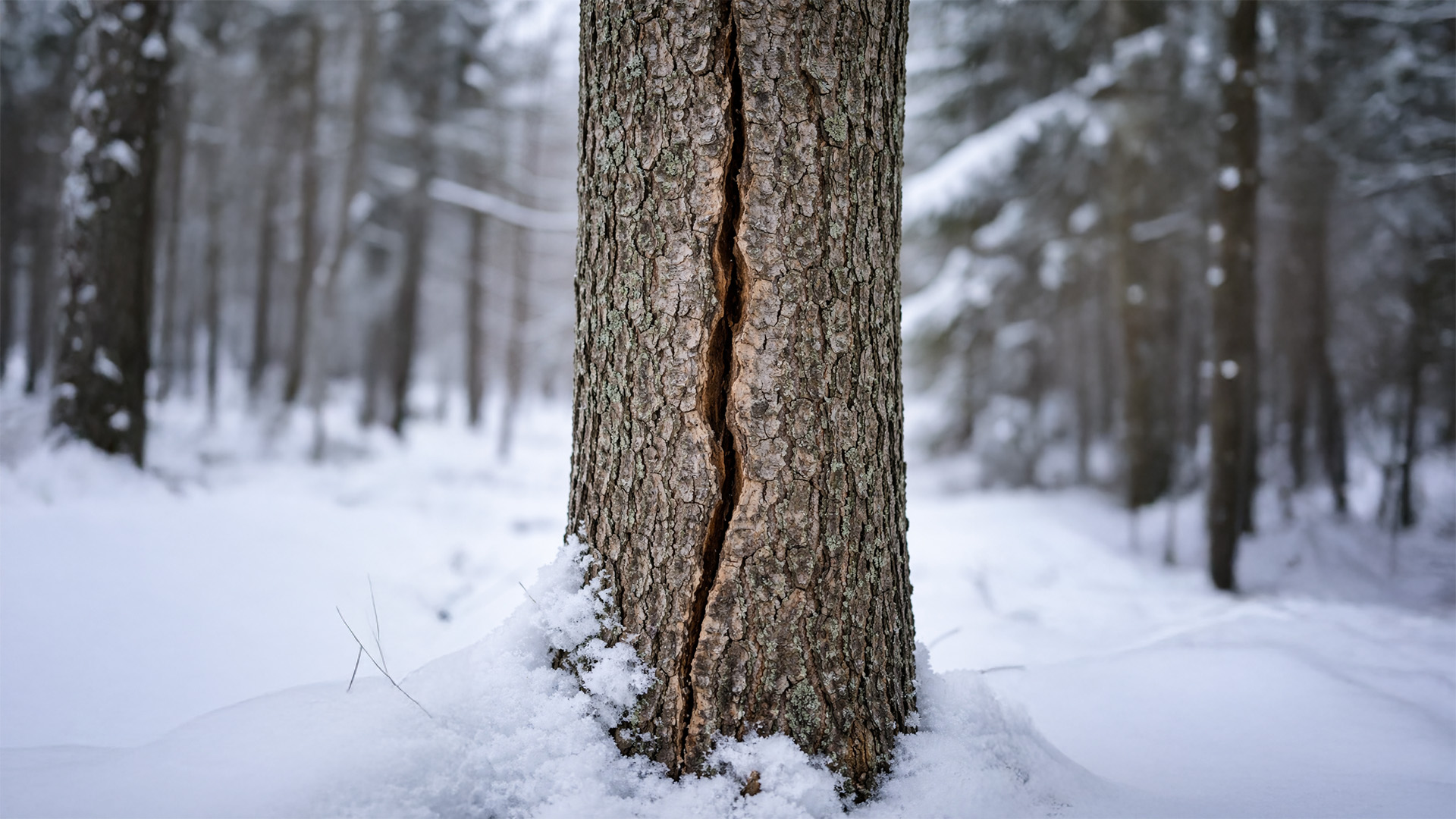
Southeast Michigan winters — with fluctuating temperatures, dry winds, and reflective sunshine off snow — can take a toll on arborvitae. Here are the main winter stressors to watch for:
Winter Burn / Desiccation
Arborvitae lose moisture through their foliage even in winter. However, once the ground freezes, roots can’t take up water to replace what’s lost. When this desiccation occurs due to wind and sun, the foliage turns brown or bronze — often most noticeable on the south and west sides of the tree.(Deer Solution)
Symptoms:
Preventive strategies:
Heavy Snow and Ice Load
Arborvitae branches can splay or break under heavy snow and ice weight, especially upright varieties. When branches bend or break, the plant’s silhouette and screening ability suffer — and some plants never regain their former shape.(Homes and Gardens)
Pro tip: After snowstorms, gently brush snow off branches with a broom to reduce weight load.
Road Salt Injury
Plantings near driveways or streets may show signs of salt burn. Salt spray in winter or runoff into soil can damage roots and foliage, leading to browning and reduced growth.(New York Botanical Garden LibGuides)
Plant arborvitae away from direct salt exposure areas, and use barriers if necessary.

3. Watering Woes: Too Little or Too Much Can Hurt
Water management is one of the most important aspects of arborvitae care — yet it’s where many growers go wrong.
Underwatering / Drought Stress
Arborvitae have moderately shallow roots and rely on consistent soil moisture. In hot, dry summers or during prolonged dry spells, insufficient water causes browning foliage, wilting, and dieback — usually starting at the tips and moving inward.(Biology Insights)
Signs:
Watering tips:
Overwatering / Root Rot
Ironically, too much water is also a problem. Poor drainage and consistently wet soils deprive roots of oxygen and can lead to root rot — a fungal condition that weakens the tree and causes yellowing, wilting, and eventual decline.(Envirevo Agritech)
Avoid overwatering by:
4. Diseases That Can Hide Behind Browning Foliage
Although Michigan’s climate doesn’t make arborvitae disease hotspots, fungal diseases can still occur, especially in wet spring or humid summers:
Healthy arborvitae with good air circulation and proper watering are much less susceptible. If disease is suspected, prune out affected parts and improve drainage or air flow.
5. Practical Care Tips for Southeast Michigan
Here are helpful, region-specific tips to prevent and manage most of the issues above:
Plant in the Right Spot
Choose a location with:
Mulch and Water Strategically
Inspect Regularly
Winter Prep Matters
Deer & Wildlife Protection
If deer are common in your area, consider repellents or fencing — deer damage can be abrupt and extensive, particularly in winter.(Biology Insights)
Conclusion
Arborvitae are stunning landscape evergreens, but in Southeast Michigan they face a unique set of challenges — from winter winds and salt spray to insect pests and watering issues. Recognizing the signs early and understanding the underlying causes can make the difference between a healthy hedge and a line of stressed or dying evergreens.
With thoughtful planting, consistent watering, and proactive care, your arborvitae can thrive and provide year-round beauty in Michigan landscapes. And if you ever find yourself wondering “what’s wrong with my arborvitae?” — take a close look at insects, winter care, and soil moisture first. They’re often the most common culprits.