Blog

How to Keep Landscape Beds Free of Unwanted Weeds

A well-maintained landscape bed instantly elevates the appearance of any home or commercial property. Clean lines, healthy plants, and weed-free beds signal care, pride, and professionalism. On the other hand, landscape beds overrun with weeds can quickly make even the most beautiful property look neglected. Keeping landscape beds free of unwanted weeds is one of the most important — and ongoing — aspects of landscape maintenance.


This article will explore why weed-free landscape beds matter for curb appeal, and then dive into the most effective methods for weed control: pre-emergent herbicides, spot treatment with non-selective herbicides, and manual weed removal as a chemical-free option.


The Importance of Weed-Free Landscape Beds and Curb Appeal

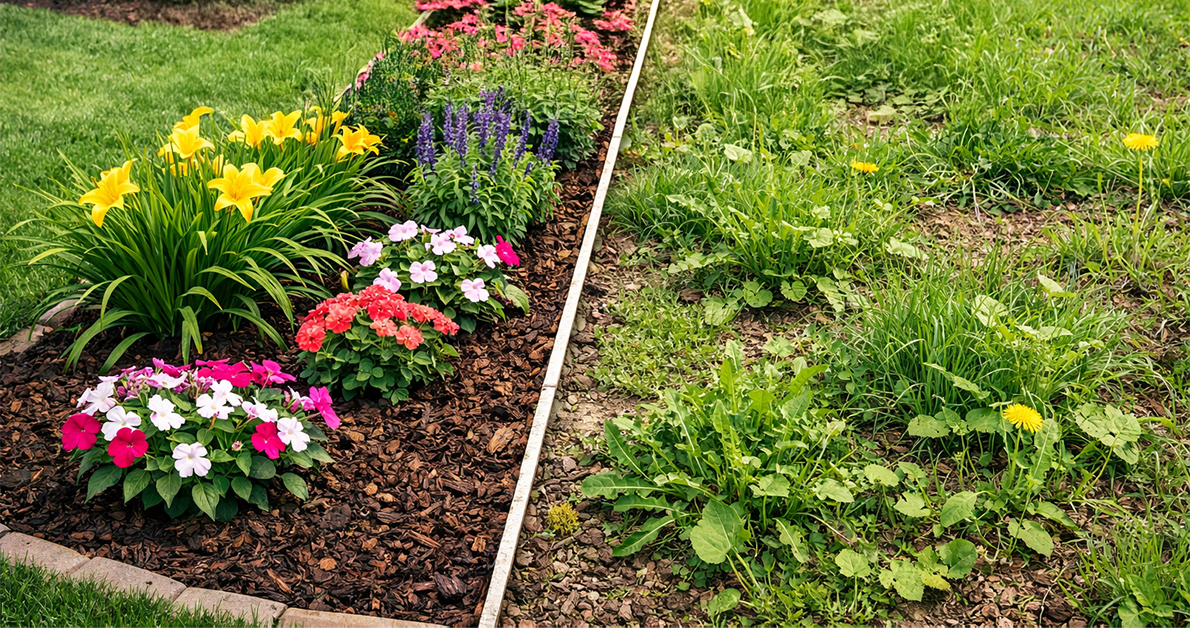
Curb appeal is often the first impression a property makes. Whether it’s a homeowner welcoming guests, a business attracting customers, or a property owner maintaining value, clean landscape beds play a major role. Weeds compete with ornamental plants for nutrients, water, sunlight, and space. Over time, this competition can weaken shrubs, flowers, and trees, leading to poor growth and reduced visual impact.


Beyond plant health, weeds create visual clutter. Tall or spreading weeds disrupt mulch beds, spill over edging, and make landscapes look unkempt. Even a freshly mowed lawn can be overshadowed by weedy beds filled with crabgrass, spurge, chickweed, or dandelions.


Maintaining weed-free beds:

  • Enhances overall curb appeal
  • Protects the health of landscape plants
  • Reduces long-term maintenance costs
  • Helps maintain property value
  • Creates a clean, professional appearance


Effective weed control is not a one-time task; it is a combination of proactive prevention and consistent maintenance.


Using Pre-Emergent Herbicides for Weed Prevention

One of the most effective tools for keeping landscape beds weed-free is the use of pre-emergent herbicides. As the name suggests, pre-emergents work by preventing weeds from germinating in the first place. They do not kill existing weeds but instead create a chemical barrier in the soil that stops weed seeds from developing roots and shoots.


How Pre-Emergent Herbicides Work

Weed seeds are constantly present in soil, blown in by wind, birds, and foot traffic. When conditions are right — typically moisture and warmth — these seeds germinate. Pre-emergent herbicides interrupt this process by inhibiting root cell development during germination. The weed seed may sprout, but it cannot establish itself and dies before becoming visible.


Common Pre-Emergent Herbicides for Landscape Beds

Several pre-emergent products are commonly used in ornamental beds:

  • Prodiamine – Long-lasting control, effective against many annual grasses and broadleaf weeds
  • Pendimethalin – Widely used in landscape beds and safe for many ornamentals
  • Dithiopyr – Offers some early post-emergent control in addition to pre-emergent benefits


These products are typically granular or liquid and are applied evenly over mulch or soil surfaces.


Timing Is Critical

Pre-emergents must be applied before weeds emerge. For most regions, this means:

  • Early spring to prevent summer annual weeds like crabgrass and spurge
  • Early fall to prevent winter annual weeds like chickweed and henbit


Soil temperature, not calendar date, is the most accurate indicator. When soil temperatures consistently reach around 50–55°F, many weeds begin to germinate.


Best Practices for Pre-Emergent Use

  • Apply to clean, weed-free beds
  • Water in after application to activate the product
  • Avoid disturbing the soil after application, as this breaks the protective barrier
  • Reapply every 8–12 weeks depending on product and weed pressure


When used correctly, pre-emergents significantly reduce weed growth and minimize the need for reactive treatments.

Spot Treating Weeds with Non-Selective Herbicides

Even with proper pre-emergent use, some weeds will still appear. For these situations, spot treatment with a non-selective herbicide is an effective solution.


What Are Non-Selective Herbicides?

Non-selective herbicides kill most plants they come into contact with. The most common active ingredient is glyphosate, though there are also newer formulations and organic-based alternatives available.


These herbicides are absorbed through the leaves and move throughout the plant, killing both the foliage and root system.


When to Use Spot Treatments

Spot treatments are ideal for:

  • Weeds growing through mulch
  • Isolated weeds near edging, hardscapes, or bed borders
  • Persistent or deep-rooted weeds that are difficult to pull


Rather than spraying entire beds, spot treatment targets only visible weeds, reducing chemical use and protecting desirable plants.


Safe and Effective Application Tips

  • Use a hand sprayer or shielded sprayer for precision
  • Apply on calm days to prevent drift
  • Avoid spraying near desirable plants or exposed roots
  • Do not overapply — more is not better
  • Allow time for the herbicide to work before removing dead weeds


When used responsibly, non-selective herbicides are an efficient way to control stubborn weeds while keeping beds looking clean.


Manual Weed Pulling: A Herbicide-Free Option

For homeowners or properties seeking a chemical-free approach, manual weed removal is a proven and environmentally friendly option. While more labor-intensive, hand pulling weeds can be very effective when done consistently.


Benefits of Manual Weed Removal

  • No chemicals used
  • Safe for pets, children, and pollinators
  • Immediate visual improvement
  • Ideal for small beds or detailed areas


Manual pulling is especially effective when weeds are young and the soil is moist, allowing roots to be removed more easily.


Best Practices for Hand Pulling Weeds

  • Pull weeds after rain or irrigation
  • Grasp weeds at the base to remove roots
  • Remove weeds before they go to seed
  • Use hand tools for deep taproots
  • Dispose of weeds properly to prevent reseeding


While hand pulling alone may not be practical for large commercial properties, it is an excellent supplement to other weed control methods.


Combining Methods for Long-Term Weed Control

The most successful weed control programs combine all three approaches: prevention, targeted treatment, and manual removal. Pre-emergent herbicides reduce the number of weeds that appear. Spot treatments eliminate breakthrough weeds quickly. Manual pulling handles delicate areas and supports chemical-free maintenance goals.


Adding a consistent layer of mulch further enhances weed control by blocking sunlight and reducing soil disturbance. Edging beds cleanly also prevents grass and weeds from creeping into landscaped areas.


Conclusion

Keeping landscape beds free of unwanted weeds is essential for maintaining curb appeal, protecting plant health, and preserving property value. Whether through professional pre-emergent applications, precise spot treatment with non-selective herbicides, or manual weed removal, consistent weed management makes a visible difference.


A clean, weed-free landscape bed is more than just maintenance — it’s an investment in the beauty and longevity of your property. With the right strategy and ongoing care, landscape beds can remain healthy, attractive, and virtually weed-free throughout the growing season.