Blog
If you're planning to establish a new lawn or repair bare patches, timing is one of the most important factors for success. While many homeowners assume spring is the ideal season to seed a lawn, landscaping professionals throughout Southeast Michigan know that late summer is the best time to plant grass seed.
From warm soil temperatures to reduced weed competition, late summer offers nearly perfect growing conditions for cool-season grasses like Kentucky bluegrass, perennial ryegrass, and tall fescue. By planting between mid-August and late September, homeowners can give new grass the best opportunity to establish strong roots before winter arrives.
Here's why late summer consistently produces healthier, thicker lawns across Southeast Michigan.
Warm Soil Encourages Faster Germination
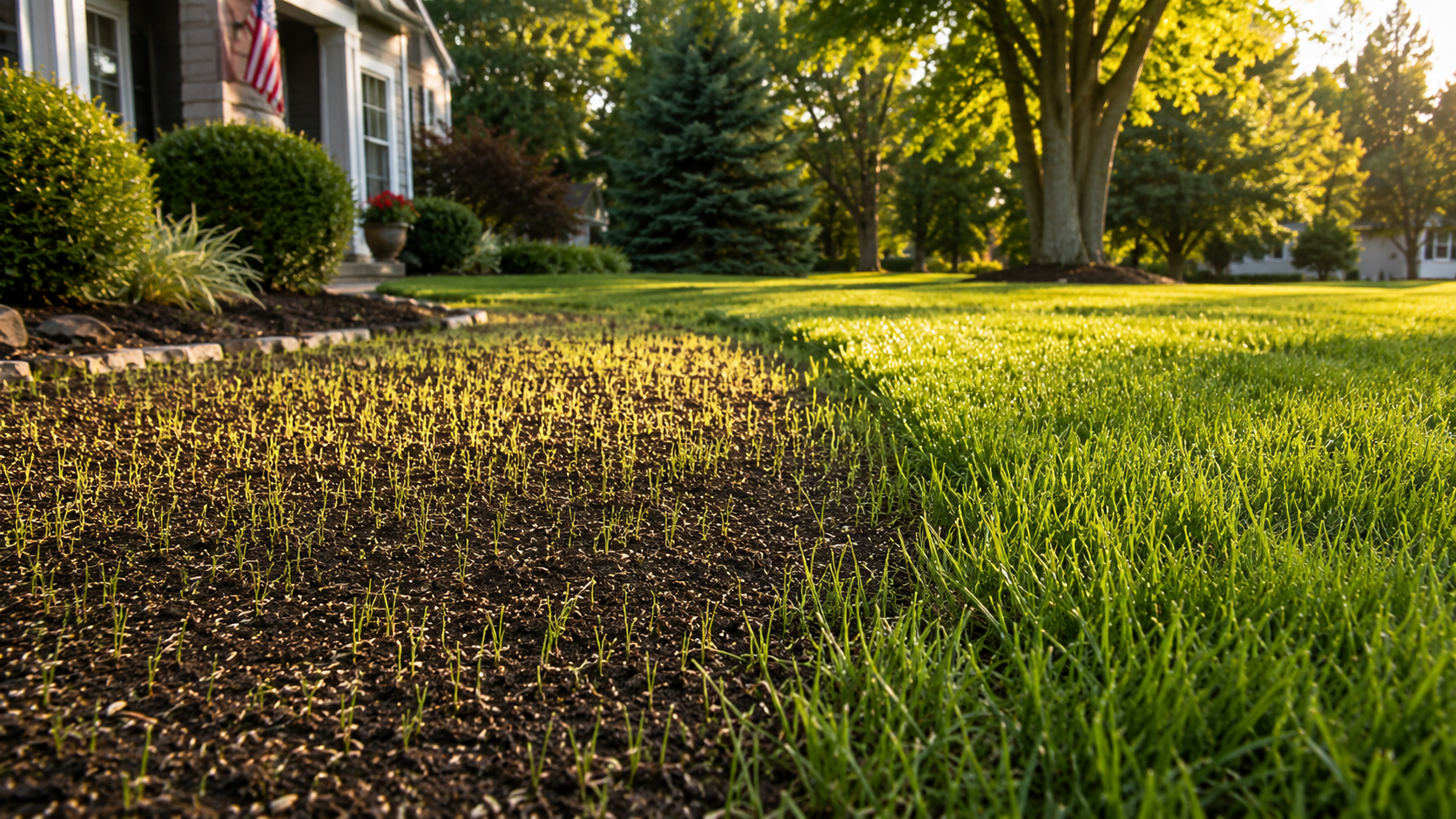
One of the biggest advantages of late summer seeding is that the soil has spent months warming in the summer sun.
Grass seed germinates based on soil temperature—not just air temperature. After a Michigan summer, the ground remains warm enough to encourage rapid seed germination while cooler daytime temperatures reduce stress on young grass.
Depending on the grass variety, many seeds begin sprouting within one to three weeks, allowing your lawn to establish before the first frost.
Cooler Air Reduces Stress on New Grass
Unlike the hot, dry conditions often experienced in June and July, late summer brings cooler days and more comfortable nighttime temperatures.
These milder conditions help:
Instead of struggling to survive summer heat, new grass can focus its energy on growing deeper, stronger roots.
Less Weed Competition Means Better Results
Spring may seem like a logical time to plant grass, but it's also peak season for weeds.
Common weeds such as crabgrass, dandelions, and broadleaf weeds aggressively compete with young grass for sunlight, nutrients, and water.
By late summer, many annual weeds have slowed their growth or completed their life cycle, giving new grass a much better chance to establish without intense competition.
This often results in:
Fall Rain Helps Keep Seed Moist
Consistent moisture is essential for successful germination.
Late summer and early fall in Southeast Michigan often bring more regular rainfall than midsummer, making it easier to keep newly planted grass seed adequately watered.
While supplemental irrigation is still important, homeowners frequently find it easier to maintain proper soil moisture during this time of year than during prolonged summer heat.
Strong Root Growth Before Winter
Cool-season grasses naturally experience one of their most active growth periods during the fall.
Rather than directing energy toward producing blades of grass alone, new seedlings begin developing extensive root systems.
This strong root establishment allows lawns to:
A lawn seeded in late summer often enters spring with a significant advantage over one planted during the previous spring.
Spring Isn't Always the Best Time to Seed
Although spring seeding can be successful, it presents several challenges.
New grass planted in April or May has only a few months to establish before facing the heat and drought conditions of summer.
Spring-seeded lawns often compete with:
For these reasons, spring is generally considered the second-best option rather than the ideal one.
Best Grass Types for Southeast Michigan
Most lawns in Southeast Michigan are planted with cool-season grasses that thrive when seeded in late summer.
Popular choices include:
Many professional lawn installations use a blend of these grasses to create a lawn that is both resilient and visually appealing.
Frequently Asked Questions
When is the best month to plant grass seed in Southeast Michigan?
Mid-August through September is generally considered the ideal window. Warm soil and cooler air temperatures create excellent conditions for seed germination and root development.
Can I plant grass seed in October?
Early October may still work if temperatures remain mild, but later plantings have less time to establish before winter. Earlier seeding typically provides better results.
Is spring a bad time to plant grass seed?
Not necessarily. Spring seeding can be successful, but it often requires more watering and weed control due to increased competition from crabgrass and other weeds.
How often should I water newly planted grass seed?
Keep the soil consistently moist during germination. Light, frequent watering is usually recommended until the seedlings become established, after which watering can gradually become deeper and less frequent.
Should I fertilize after planting grass seed?
Yes. A starter fertilizer formulated for new lawns can help promote strong root development and healthy early growth when applied according to label directions.

Final Thoughts
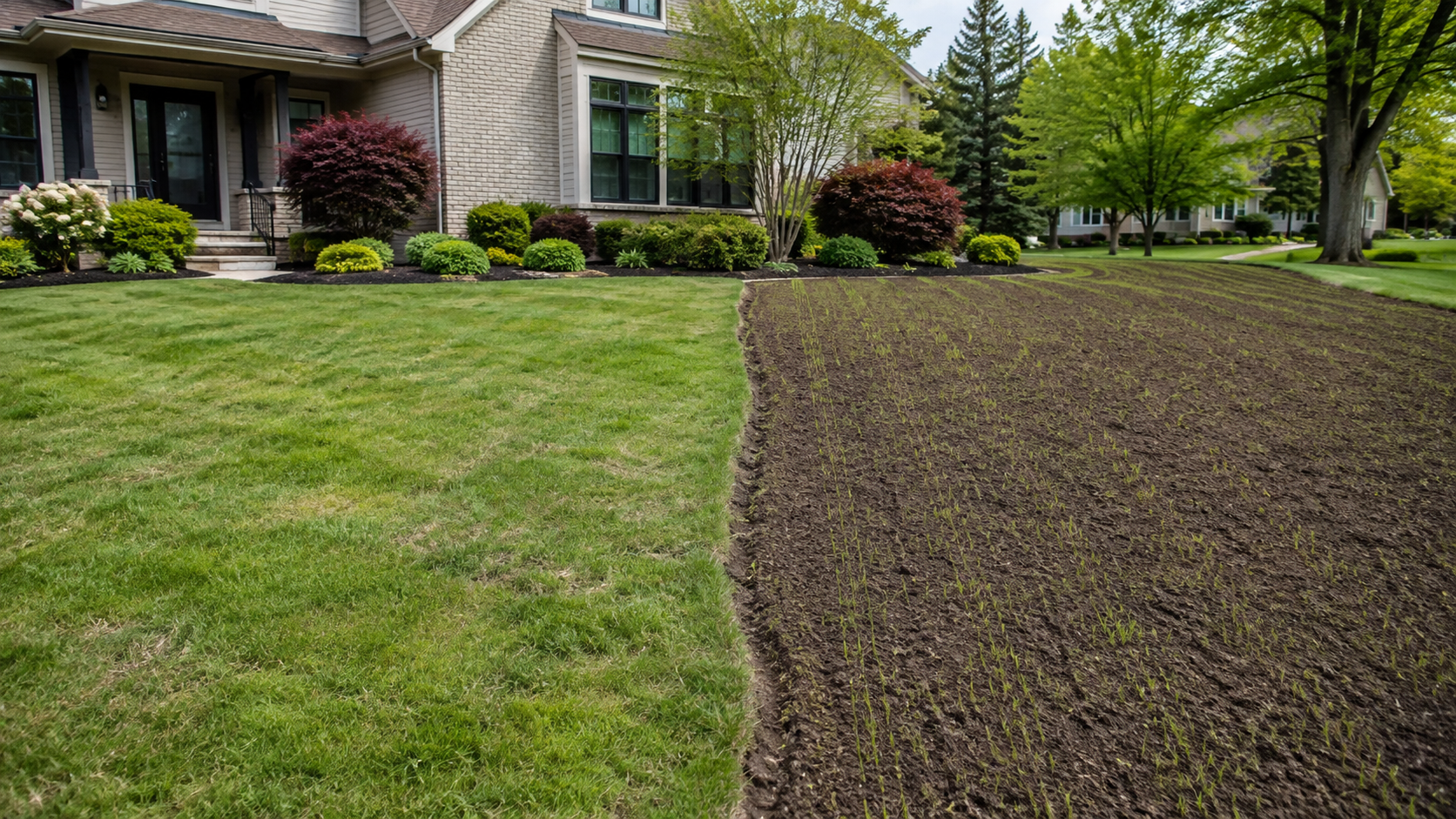
For homeowners across Southeast Michigan, late summer offers the perfect combination of warm soil, cooler temperatures, fewer weeds, and favorable growing conditions for cool-season grasses. These advantages give new lawns the time they need to establish healthy root systems before winter, resulting in thicker, greener turf the following spring.
Whether you're repairing bare spots or installing an entirely new lawn, planting grass seed in late summer gives your investment the greatest opportunity for long-term success. With proper soil preparation, consistent watering, and quality seed, you'll be well on your way to enjoying a healthy, beautiful lawn for years to come.