Blog

Phragmites Removal in Southeast Michigan: Why Proper Herbicide Treatment Is Essential for Long-Term Control

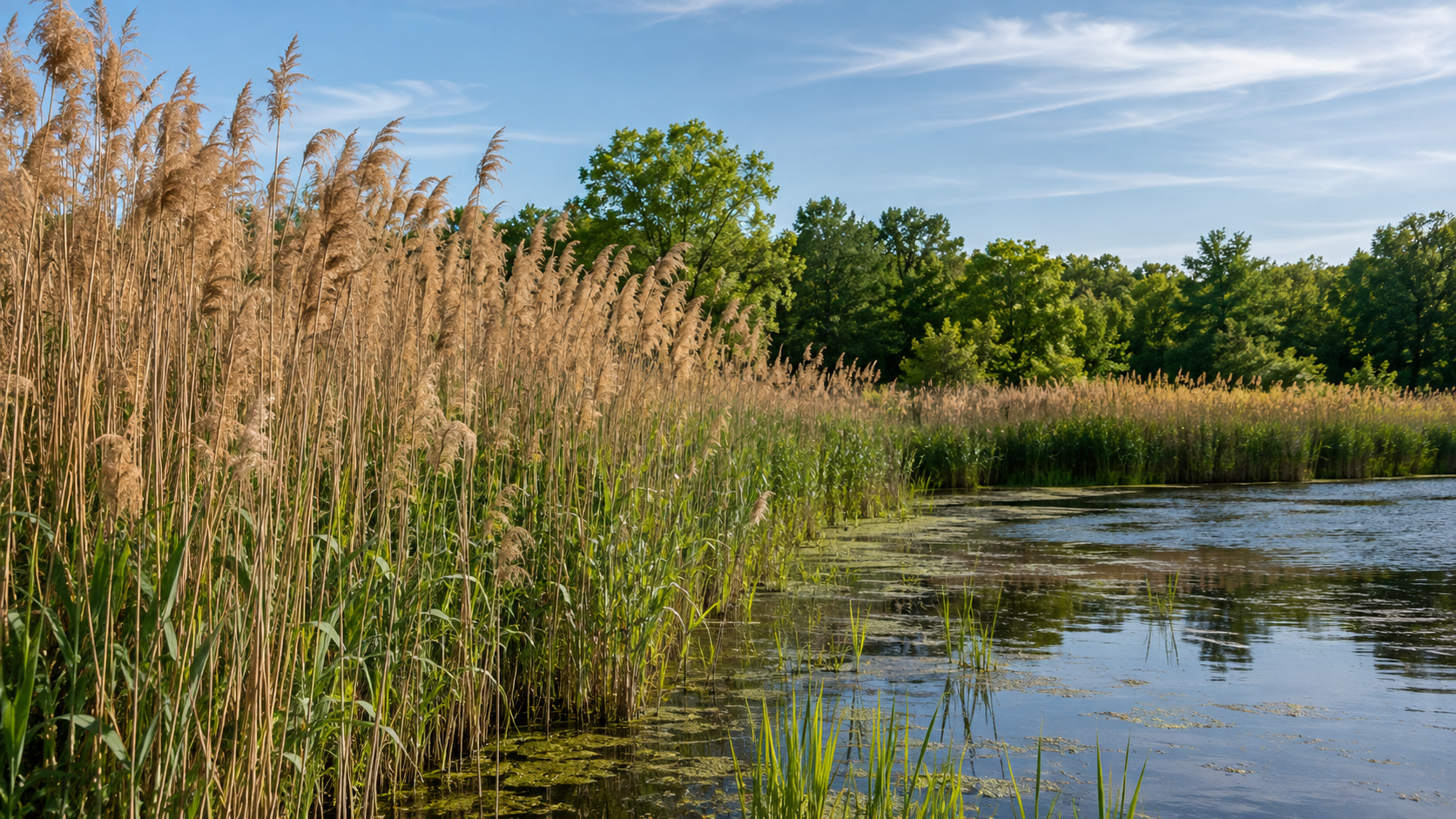
If you've noticed towering stands of dense reeds taking over wetlands, retention ponds, roadside ditches, lakeshores, or drainage areas, you're likely looking at Phragmites australis, commonly known as invasive Phragmites. This aggressive perennial grass has become one of the most destructive invasive plants in Southeast Michigan, spreading rapidly and crowding out native vegetation that supports healthy ecosystems.


Once established, Phragmites is extremely difficult to eliminate. Its extensive underground rhizome system allows it to spread quickly and regenerate even after mowing or cutting. Successful control requires a carefully planned management strategy that combines herbicide treatment, mechanical removal, ongoing monitoring, and native plant restoration.


For homeowners, municipalities, homeowner associations (HOAs), commercial property managers, and environmental organizations, understanding how and when to treat Phragmites is the first step toward restoring wetlands and protecting Southeast Michigan's natural resources.


What Is Phragmites?

Phragmites is a tall perennial grass that can grow 10 to 15 feet high under favorable conditions. While a native subspecies exists in North America, the invasive European lineage has spread aggressively throughout Michigan and much of the United States.


The invasive form produces dense stands that:

  • Crowd out native wetland plants
  • Reduce wildlife habitat
  • Restrict water flow
  • Increase fire hazards due to accumulated dry vegetation
  • Alter wetland ecosystems
  • Reduce biodiversity


Its underground rhizomes can spread several feet each year, allowing colonies to expand rapidly if left untreated.


Why Phragmites Is a Serious Problem in Southeast Michigan

Southeast Michigan contains thousands of acres of wetlands, retention ponds, drainage channels, streams, lakes, and shoreline habitats that provide important ecological and stormwater management functions.


Unfortunately, these moist environments also create ideal growing conditions for invasive Phragmites.


Unchecked infestations can:

  • Block drainage infrastructure
  • Reduce stormwater storage capacity
  • Displace native sedges, rushes, and wildflowers
  • Limit habitat for birds, amphibians, and pollinators
  • Increase long-term maintenance costs
  • Diminish the visual appeal of natural areas


Because Phragmites spreads through both underground rhizomes and wind-dispersed seeds, early intervention is far more effective than waiting until large infestations develop.


Why Cutting Alone Doesn't Solve the Problem

Many property owners assume mowing or cutting Phragmites will eliminate it.


Unfortunately, cutting alone rarely provides long-term control.


Although mowing removes above-ground growth, the plant's extensive underground rhizome network remains alive and quickly sends up new shoots.


In some situations, repeated cutting without an integrated management plan may even stimulate additional growth.


For this reason, most successful control programs combine herbicide treatment with follow-up mechanical removal and long-term monitoring.


Why Herbicide Treatment Is the Most Effective Control Method

Professional herbicide treatment remains the most effective way to control established Phragmites populations because it targets the plant's extensive underground root and rhizome system.


Systemic herbicides are absorbed through the leaves and stems and then transported throughout the plant, including below-ground structures. This significantly improves long-term control compared to simply removing the visible growth.


However, successful treatment depends on selecting an herbicide labeled for the site, following all label directions, complying with applicable regulations, and using appropriate application techniques. Treatments in or near water may require products specifically labeled for aquatic or wetland use, and permits may be required depending on the location and ownership of the site.


Herbicides Commonly Used for Phragmites Management

Land managers and licensed applicators commonly use glyphosate or imazapyr formulations that are specifically labeled for Phragmites control. The choice depends on factors such as whether the infestation is in or near water, surrounding vegetation, site objectives, and product labeling.


Glyphosate

Glyphosate products labeled for aquatic or wetland use are widely used because they effectively move into the plant's root system.


They are often selected for areas where preserving desirable nearby vegetation is an important consideration, although they are non-selective and can injure or kill plants they contact.


Imazapyr

Imazapyr is another systemic herbicide frequently used in Phragmites management programs.


It can provide excellent long-term control, but because it may affect certain desirable woody and herbaceous plants, careful site evaluation and professional application are especially important.


The appropriate product and treatment plan should always be determined by a licensed professional who understands local environmental conditions and regulatory requirements.


The Best Time to Treat Phragmites in Southeast Michigan

Timing is one of the most important factors in successful Phragmites control.


In Southeast Michigan, late summer through early fall is generally considered the most effective treatment window.


During this period, the plant naturally begins moving carbohydrates from its leaves down into its rhizomes to prepare for winter. When a systemic herbicide is applied at this stage, it is carried into the underground structures where it can provide more effective long-term suppression.


Treatments made too early in the growing season may not reach the rhizomes as effectively, making follow-up treatments more likely.


Weather, water levels, and the plant's growth stage can all influence treatment timing, so site-specific evaluation is important.


Mechanical Removal After Treatment

After herbicide has had sufficient time to move through the plant, the dead stems are often removed to improve site appearance, increase access, and encourage recovery by desirable vegetation.


Mechanical removal may include:

  • Cutting dead stems
  • Mowing where appropriate
  • Removing accumulated biomass
  • Disposing of plant material according to local guidance


Removing dead stalks also creates space for native plants to re-establish.


Restoring Native Wetland Vegetation

Controlling Phragmites is only part of the restoration process. Without desirable vegetation to occupy the site, invasive plants may return.


Many restoration projects include planting native wetland species such as:

  • Blue Flag Iris
  • Fox Sedge
  • Soft Rush
  • Swamp Milkweed
  • Cardinal Flower
  • Joe-Pye Weed
  • Prairie Cordgrass


Native plants stabilize soil, improve water quality, support pollinators, and help reduce opportunities for future invasive growth.


Why Multiple Years of Management Are Often Needed

One herbicide application rarely eliminates every Phragmites stem across a large infestation.


Because seeds may remain viable and rhizomes can survive in some areas, successful management often includes:

  • Annual inspections
  • Spot treatments on regrowth
  • Monitoring nearby infestations
  • Continued invasive species management
  • Native plant establishment


Many large restoration projects continue monitoring for several years to achieve lasting results.


Why Professional Treatment Matters

Phragmites management often occurs in sensitive environments where improper treatment can affect nearby wetlands, waterways, or desirable vegetation.


Professional invasive species contractors understand:

  • Wetland regulations
  • Appropriate herbicide selection
  • Environmental permitting requirements
  • Proper application equipment
  • Seasonal treatment timing
  • Restoration planning
  • Long-term monitoring


Hiring experienced professionals helps ensure treatment is both effective and environmentally responsible.


Frequently Asked Questions

What is Phragmites?

Phragmites is a tall invasive grass that spreads aggressively through underground rhizomes and seeds. It commonly invades wetlands, retention ponds, drainage ditches, and shorelines throughout Southeast Michigan.


Why is Phragmites considered invasive?

Invasive Phragmites forms dense stands that crowd out native plants, reduce wildlife habitat, interfere with stormwater management, and decrease biodiversity.


What is the best time to treat Phragmites in Southeast Michigan?

Late summer through early fall is generally the most effective treatment period because the plant is naturally transporting nutrients to its underground rhizomes, allowing systemic herbicides to move more effectively throughout the plant.


Can mowing eliminate Phragmites?

No. Cutting or mowing alone rarely eliminates established infestations because the underground rhizome system remains alive and produces new growth. Integrated management is typically needed for long-term control.


Why should native plants be installed after Phragmites removal?

Native wetland plants help stabilize soil, improve water quality, support wildlife, and reduce opportunities for invasive species to return by occupying available growing space.

Final Thoughts

Phragmites is one of the most challenging invasive plants affecting wetlands and stormwater systems in Southeast Michigan. Left unmanaged, it can spread rapidly, displace native vegetation, reduce biodiversity, and compromise the ecological function of retention ponds, shorelines, and wetlands.


The most successful management programs combine timely herbicide treatment, mechanical removal, ongoing monitoring, and restoration with native wetland plants. Because treatment timing, product selection, and regulatory requirements vary depending on the site, partnering with experienced invasive species professionals is often the most effective approach.


By addressing infestations early and following a long-term management plan, property owners and communities can restore healthier wetlands, improve stormwater performance, enhance wildlife habitat, and protect Southeast Michigan's natural landscapes for future generations.