Broadleaf Weed Control in Turfgrass: A Practical Guide for Southeast Michigan Lawns
04.22.2026
A thick, green lawn is one of the most important elements of curb appeal—but broadleaf weeds can quickly ruin that clean, uniform look. In Southeast Michigan, homeowners commonly battle weeds like dandelions, clover, plantain, and chickweed throughout the growing season. The good news is that with the right strategy, broadleaf weeds can be effectively controlled and even prevented.
This guide breaks down everything you need to know about managing broadleaf weeds in turfgrass, including identification, timing, herbicide options, and cultural practices that keep weeds from coming back.
What Are Broadleaf Weeds?
Broadleaf weeds are easily distinguished from grasses by their wider leaves and different growth habits. Unlike turfgrass, which grows upright with narrow blades, broadleaf weeds often grow low and spread outward, competing for sunlight, water, and nutrients.
Common Broadleaf Weeds in Southeast Michigan:
Dandelion
White clover
Broadleaf plantain
Chickweed
Ground ivy (creeping Charlie)
Spotted spurge
These weeds thrive in thin, stressed lawns and can spread rapidly if left untreated.
Why Broadleaf Weeds Take Over
Broadleaf weeds are opportunistic. They take advantage of weak turf and environmental stress.
Common Causes:
Thin or bare turf areas
Compacted soil
Poor fertility
Improper mowing (cutting too short)
Excess moisture or poor drainage
In Southeast Michigan, fluctuating spring weather and summer heat stress can weaken turf, creating ideal conditions for weeds to establish.
The Importance of Timing
One of the biggest mistakes homeowners make is treating weeds at the wrong time. Effective control depends heavily on proper timing.
Spring Applications
Spring is when many broadleaf weeds begin actively growing. This is a great time for:
Early intervention
Controlling young, actively growing weeds
However, spring treatments alone are not always enough.
Post-Emergent Herbicides: The Primary Tool
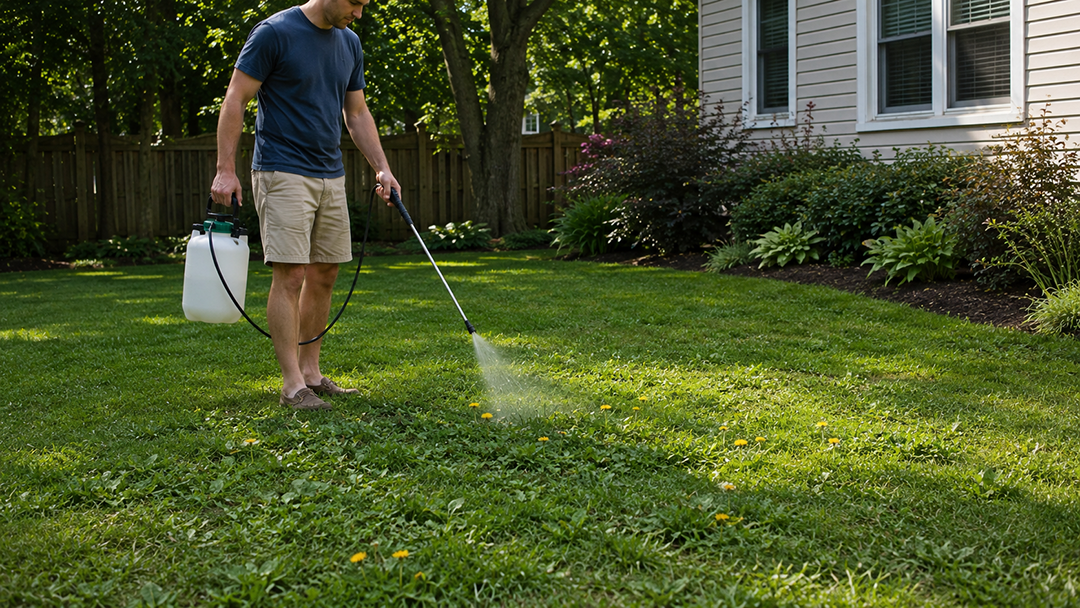
Broadleaf weeds are most commonly controlled using post-emergent herbicides, which target weeds after they’ve already emerged.
Common Active Ingredients:
2,4-D
MCPP (mecoprop)
Dicamba
These are often combined into “three-way” herbicide blends that effectively control a wide range of weeds without harming turfgrass when used correctly.
How They Work:
These herbicides mimic plant growth hormones, causing uncontrolled growth that ultimately kills the weed.
Liquid vs. Granular Applications
Homeowners can choose between liquid and granular weed control products.
Liquid Applications:
Provide better coverage
More effective for spot treatments
Faster results
Granular (Weed & Feed):
Convenient to apply
Less precise
Require moisture to activate
For best results, liquid applications are generally preferred, especially for established weeds.
Spot Spraying vs. Blanket Applications
Spot Spraying:
Targets specific problem areas
Reduces chemical use
Ideal for minor infestations
Blanket Applications:
Treat the entire lawn
Best for widespread weed problems
Often used by professional lawn care services
Choosing the right method depends on how severe the weed problem is.
Cultural Practices: Your First Line of Defense
Herbicides are effective, but they work best when combined with strong lawn care practices.
1. Mowing Height
Keep your lawn at 3–3.5 inches. Taller grass:
Shades the soil
Prevents weed seeds from germinating
Promotes deeper roots
2. Fertilization
A well-fed lawn grows thicker and crowds out weeds. Regular fertilization:
Improves turf density
Helps grass outcompete weeds
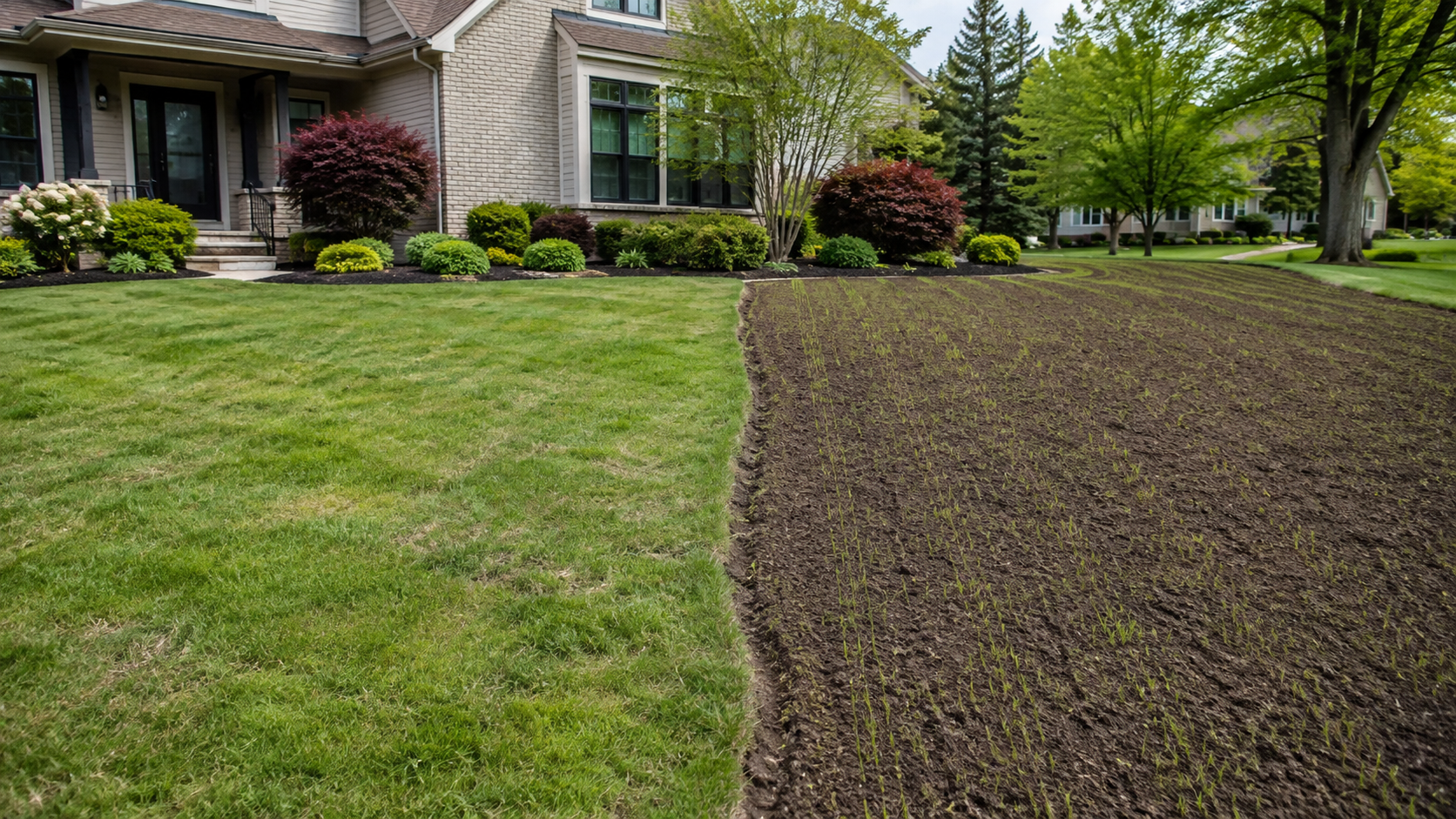
3. Overseeding
Thin lawns invite weeds. Overseeding helps:
Fill in bare spots
Increase turf density
Reduce space for weeds to establish
4. Aeration
Compacted soil limits root growth and encourages weeds. Aeration:
Improves soil structure
Enhances water and nutrient uptake
Dealing with Stubborn Weeds
Some broadleaf weeds are more difficult to control and may require multiple treatments.
Examples:
Ground ivy (creeping Charlie)
Wild violet
Clover
These weeds often have waxy leaves or aggressive root systems that make them resistant to standard treatments.
Tips for Control:
Use higher-quality herbicide formulations
Apply during optimal weather conditions
Repeat applications as needed
Patience and persistence are key.
Weather Matters
For herbicides to work effectively, environmental conditions must be right.
Ideal Conditions:
Temperatures between 60–80°F
No rain for at least 2 hours after application
Light wind to avoid drift
Avoid applying during extreme heat or drought, as this can stress turf and reduce effectiveness.
Professional Lawn Care Programs
Many homeowners in Southeast Michigan choose professional lawn care services to manage weeds. These programs typically include:
Multiple applications throughout the season
Pre-emergent and post-emergent treatments
Customized plans based on lawn conditions
Professional applications often produce more consistent, long-term results.
Common Mistakes to Avoid
Avoid these pitfalls to improve your weed control success:
Applying herbicides at the wrong time
Mowing too short
Skipping fall treatments
Overwatering
Expecting one application to solve everything
Effective weed control is a process, not a one-time fix.
Final Thoughts
Broadleaf weed control in Southeast Michigan requires a combination of proper timing, effective herbicides, and strong lawn care practices. While weeds are persistent, they are not unbeatable.
The key is to stay proactive. Address small problems before they become major infestations, maintain a thick and healthy lawn, and apply treatments strategically throughout the season.
With consistency and the right approach, you can achieve a dense, weed-free lawn that enhances your property and stands out in your neighborhood.