Blog
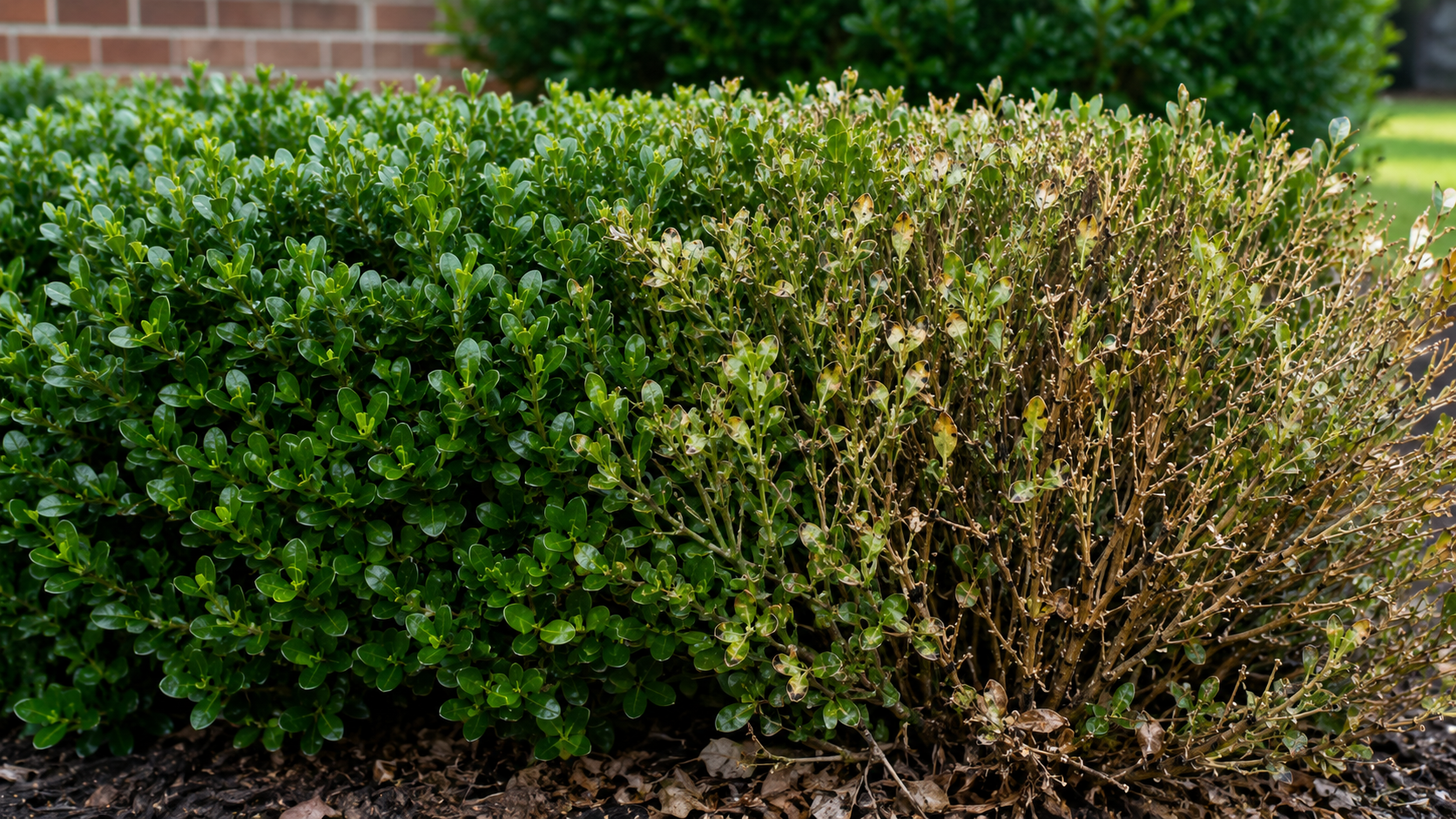
Boxwoods have long been a staple in residential and commercial landscapes. Known for their dense evergreen foliage, clean lines, and versatility, they are often used for foundation plantings, hedges, and formal garden designs. However, over the past decade—especially across the Midwest and Southeast Michigan—boxwoods have become increasingly vulnerable to a range of pests and diseases that can quickly turn a healthy planting into a struggling eyesore.
If you’re a homeowner or landscape professional, understanding the most common issues affecting boxwoods—particularly box tree moth, leaf miners, and boxwood blight—is essential for protecting your investment and maintaining curb appeal.
Why Boxwoods Are Under Pressure
Boxwoods are relatively slow-growing shrubs, which makes them especially susceptible to long-term damage. Unlike fast-growing plants that can quickly recover, boxwoods often take years to regain their shape after stress or injury. Add in Michigan’s fluctuating climate—cold winters, wet springs, and humid summers—and you have the perfect environment for pests and diseases to thrive.
Box Tree Moth: A Growing Threat
One of the newest and most destructive threats to boxwoods is the box tree moth. Originally from Asia, this invasive pest has spread rapidly across parts of North America and is now a major concern in Michigan.
Identification
The adult moth is relatively harmless, but its larvae (caterpillars) are highly destructive. They are:
Damage
Box tree moth larvae feed on:
Heavy infestations can strip a boxwood completely bare in a short period of time. Unlike some pests that cause cosmetic damage, box tree moth can kill plants outright if left untreated.
Control Methods
Effective control requires early detection and consistent treatment:
1. Insecticide Applications
2. Monitoring
3. Professional Treatment Programs
Because this pest can cycle multiple times per season, ongoing treatment is often necessary.

Boxwood Leaf Miner: The Hidden Pest
The boxwood leaf miner is one of the most common and long-standing pests affecting boxwoods in Michigan. Unlike the box tree moth, this pest operates largely out of sight—inside the leaves themselves.
Identification
Leaf miners are small larvae that live between the upper and lower surfaces of boxwood leaves. Signs of infestation include:
If you hold an affected leaf up to the light, you may even see the larvae inside.
Damage
While rarely fatal on its own, leaf miner damage can:
Control Methods
1. Systemic Insecticides
2. Pruning
3. Monitoring Lifecycle
Boxwood Blight: A Serious Disease
Perhaps the most feared issue among homeowners and landscapers is boxwood blight, a fungal disease that has caused widespread damage across the U.S.
Identification
Boxwood blight symptoms include:
Unlike many other diseases, blight can cause quick and severe defoliation, sometimes within days under the right conditions.
How It Spreads
Boxwood blight spreads through:
Humid conditions and poor air circulation significantly increase the risk of infection.
Control Challenges
There is no cure for boxwood blight once a plant is heavily infected. Management focuses on prevention and containment.
Prevention and Management
1. Fungicide Programs
2. Sanitation
3. Removal of Infected Plants
4. Improve Airflow
Environmental Stress and Secondary Issues
In addition to pests and disease, boxwoods often struggle with environmental stress, which can worsen other problems.
Winter Burn
Common in Michigan, winter burn causes:
Poor Drainage
Boxwoods do not tolerate “wet feet.” Excess moisture can lead to:
Improper Pruning
Over-pruning or incorrect timing can:
Integrated Approach to Boxwood Health
The best way to protect your boxwoods is through a proactive, integrated management strategy. This includes:
1. Regular Inspection
Check plants frequently for early signs of pests or disease. Catching issues early dramatically improves outcomes.
2. Proper Cultural Practices
3. Timely Chemical Treatments
4. Professional Care
In many cases—especially with box tree moth or blight—professional treatment programs provide the most reliable results.
Are Boxwoods Still Worth Planting?
With all these challenges, many homeowners are asking whether boxwoods are still a good choice. The answer depends on your willingness to maintain them.
Boxwoods can still be a beautiful and valuable part of your landscape, but they are no longer a “plant it and forget it” shrub. They require:
For those who prefer lower-maintenance options, alternatives like inkberry holly or certain dwarf conifers may be worth considering.
Final Thoughts
Boxwoods remain one of the most iconic landscape shrubs, but they are facing increasing pressure from pests like box tree moth, insects like leaf miners, and diseases such as boxwood blight. In Southeast Michigan, where environmental conditions can favor these problems, staying proactive is key.
By understanding the risks, recognizing early symptoms, and implementing a combination of cultural practices and targeted treatments, you can protect your boxwoods and keep your landscape looking sharp year-round.
The bottom line: healthy boxwoods don’t happen by accident—they require attention, strategy, and consistency.