Blog
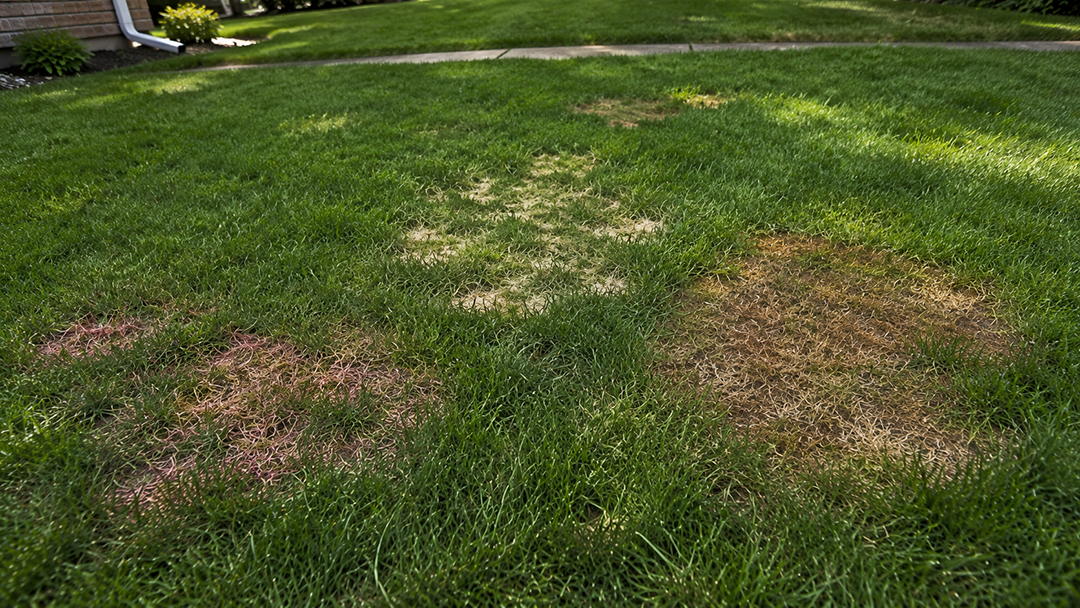
Homeowners across Southeast Michigan take pride in maintaining thick, green lawns throughout the growing season. However, the region’s combination of cool spring moisture, humid summers, clay-heavy soils, and fluctuating temperatures creates ideal conditions for turfgrass diseases. If your lawn suddenly develops straw-colored patches, reddish fibers, or circular dead spots, lawn fungus is often the culprit.
Three of the most common lawn diseases in Southeast Michigan are red thread, dollar spot, and brown patch. While these diseases can look alarming, they are usually manageable with proper cultural practices and balanced fertilization. In many cases, improving turf nutrition is one of the most effective corrective actions available.
Why Lawn Fungus Is Common in Southeast Michigan
Southeast Michigan lawns are typically made up of cool-season grasses such as Kentucky bluegrass, perennial ryegrass, and fine fescue. These turf types thrive in spring and fall but become stressed during periods of excessive moisture, humidity, heat, or nutrient deficiency.
Michigan State University notes that prolonged leaf wetness, high humidity, and slow-growing turf create favorable conditions for fungal activity. (Ag & Natural Resources College)
Several common lawn care mistakes can also increase disease pressure:
The good news is that most lawn fungi attack weakened turf rather than healthy, actively growing grass. A strong fertilization program can significantly improve turf resilience.
Red Thread
Red thread is one of the most common spring lawn diseases in Southeast Michigan. It typically appears during cool, wet weather from May through June, especially after prolonged rainfall.
Symptoms of Red Thread
Red thread usually appears as:
Michigan State University describes red thread as easy to identify because of the distinctive pink or red fungal strands attached to infected blades. (Ag & Natural Resources College)
The disease commonly affects:
Many homeowners mistake red thread for drought stress because infected areas can appear dry or wilted.
What Causes Red Thread?
Red thread thrives during:
One of the biggest contributing factors is nitrogen deficiency. Purdue University specifically notes that red thread outbreaks often indicate nitrogen-starved turf. (Turfgrass Science at Purdue University)
Corrective Action and Fertilization
The most effective treatment for red thread is often simple fertilization.
Michigan State University recommends improving nitrogen fertility to help turf outgrow the disease. (Ag & Natural Resources College)
Recommended Fertility Program
Apply:
Good fertilizer options include:
Additional cultural practices include:
Most lawns recover quickly once growth resumes.
Dollar Spot
Dollar spot is another extremely common lawn fungus in Southeast Michigan. It frequently develops in late spring through early fall when daytime temperatures are warm and overnight dew remains on grass blades.
Symptoms of Dollar Spot
Dollar spot appears as:
On individual blades, lesions often have an hourglass shape with reddish-brown borders. (Turfgrass Science at Purdue University)
If untreated, the spots can merge together and create larger dead areas across the lawn.
What Causes Dollar Spot?
Dollar spot develops when:
Purdue University states that dollar spot is especially severe in nitrogen-deficient turf stands. (Turfgrass Science at Purdue University)
In Southeast Michigan, prolonged morning dew and humid summer nights create ideal conditions for outbreaks.
Corrective Action and Fertilization
Proper fertilization is one of the best long-term controls for dollar spot.
Fertility Recommendations
Apply:
Adequate fertility helps:
Purdue University notes that healthy nitrogen fertility delays disease outbreaks and improves turf recovery. (Turfgrass Science at Purdue University)
Additional Prevention Tips
Many Southeast Michigan homeowners overwater during summer humidity, which often worsens dollar spot pressure.
Brown Patch
Brown patch becomes most active during hot, humid weather in mid to late summer. Unlike red thread and dollar spot, brown patch is driven more by heat stress and excessive moisture than by nitrogen deficiency alone.
Symptoms of Brown Patch
Brown patch commonly appears as:
Patches may range from several inches to several feet across.
Tall fescue lawns are particularly susceptible during hot, sticky weather. Michigan lawn experts often begin seeing outbreaks during extended summer humidity. (Ag & Natural Resources College)
What Causes Brown Patch?
Brown patch thrives when:
Unlike red thread and dollar spot, too much quick-release nitrogen during summer heat can actually worsen brown patch.
Corrective Action and Fertilization
The goal with brown patch is balanced nutrition rather than aggressive fertilization.
Fertility Recommendations
During summer:
A moderate fertilizer program supports root health without creating excessive succulent growth that fungi attack easily.
Additional Brown Patch Prevention
In severe cases, fungicide applications may help, but cultural correction remains the foundation of disease control.

Building a Disease-Resistant Lawn in Southeast Michigan
The healthiest lawns in Southeast Michigan follow a proactive fertility and maintenance schedule rather than reacting after fungus appears.
Ideal Fertilization Schedule
Spring (April–May)
Early Summer (June)
Late Summer (August)
Fall (September–November)
Most cool-season lawns perform best with 3 to 4 pounds of nitrogen per 1,000 square feet annually, split into multiple applications. Community lawn care discussions from Midwest homeowners frequently emphasize consistent nitrogen management as a major factor in reducing fungal outbreaks. (Reddit)
Final Thoughts
Red thread, dollar spot, and brown patch are all common challenges for homeowners in Southeast Michigan. While fungicides may occasionally be necessary, most lawn diseases are symptoms of underlying turf stress.
The best long-term solution is creating a healthy lawn through:
In many cases, correcting nitrogen deficiencies alone can dramatically improve lawn appearance and reduce fungal pressure. Healthy turf is naturally more resistant to disease, drought, and environmental stress.
With a consistent lawn care program and attention to turf nutrition, Southeast Michigan homeowners can maintain dense, green lawns that recover quickly from seasonal fungal outbreaks.