Blog

Stop Crabgrass Before It Starts: The Importance of Preemergent Fertilizer in Southeast Michigan

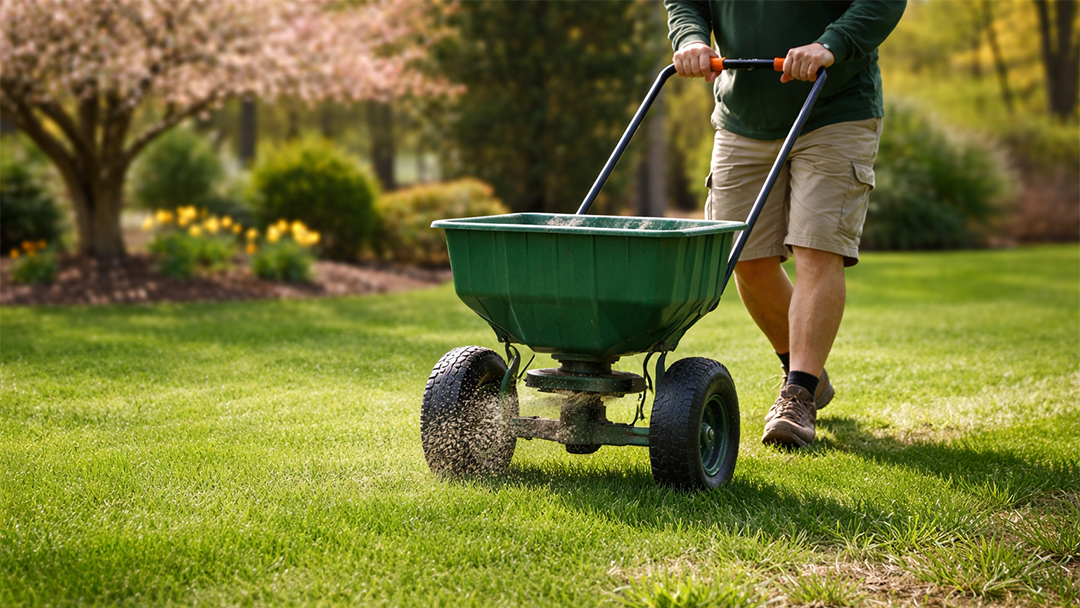
Homeowner applying preemergent fertilizer to prevent crabgrass in a Southeast Michigan lawn during early spring

Every spring, homeowners across Southeast Michigan eagerly anticipate the return of lush green lawns. But hidden beneath the thawing soil lurks a common foe that can quickly turn that dream lawn into a patchy eyesore: crabgrass. A warm-season annual weed, crabgrass germinates early in spring and rapidly spreads in bare or weakened turf. Fortunately, when used at the right time and in the right way, preemergent fertilizer is one of the most effective tools for preventing crabgrass and setting your lawn up for success.


Why Crabgrass Is Such a Problem

Crabgrass thrives in conditions many cool-season lawns struggle with — bare soil, poor turf density, and early warm temperatures. It germinates when soil temperatures consistently reach about 55°F for several days, often before many homeowners realize the threat has begun. In Southeast Michigan, these conditions commonly occur in late March to early April, depending on seasonal weather patterns.


Once established, crabgrass can:


  • Spread quickly, outcompeting desirable grasses like Kentucky bluegrass and perennial ryegrass.
  • Create unsightly, thick clumps of coarse, light green blades.
  • Be extremely difficult to eliminate without harsh post-emergent herbicides that can stress lawns.


Preemergent fertilizer is a proactive solution — preventing crabgrass seeds from ever sprouting in the first place.


What Is Preemergent Fertilizer?

Preemergent products are lawn treatments applied to the soil surface before weed seeds germinate. They work by forming a barrier in the top layer of soil that stops weed seedlings as they begin to grow. Importantly:


  • They don’t “kill” existing weeds — instead, they prevent new ones from sprouting.
  • They are most effective when combined with good lawn practices, including proper mowing, watering, and soil nutrition.


Preemergent “fertilizer” often refers to a combination product that not only inhibits weed growth but also feeds your lawn. This dual benefit helps strengthen turfgrass so it can better compete with weeds throughout the growing season.


Timing Is Everything in Lawn Care

Unlike fertilizer that feeds grass after it starts growing, preemergent must be applied before weed seeds germinate. That’s why timing is the most critical factor in its success.


Soil Temperature, Not Calendar Dates, Is the Key


Rather than relying on a specific calendar date, lawn professionals and horticulturists measure soil temperature to determine the optimal time for preemergent application. Crabgrass germination begins when the soil consistently hits ~55°F for several consecutive days at a depth of about 2–4 inches.


In Southeast Michigan, this typically means:


  • Soil temperatures reach the critical 55°F mark between late March and mid-April.
  • Applying preemergent too early can reduce effectiveness — the barrier may break down before weeds begin to sprout.
  • Applying too late means crabgrass seeds may have already germinated, rendering the treatment far less effective.


You can check soil temperatures with a soil thermometer, or rely on local extension services and weather reporting tools that track soil warming trends. Some lawn care apps and garden centers also provide soil temperature forecasts.


The Science Behind Preemergent Action

Preemergent chemicals, such as prodiamine, dithiopyr, or pendimethalin, remain active in the top layer of soil for several weeks. They don’t stop seeds from existing, but they inhibit cell division in germinating seedlings, preventing roots and shoots from forming.


Because preemergents target seedlings, not mature plants, existing weeds aren’t affected — making early application critical.


Why Fertilization Matters Too

A strong, dense lawn is the best defense against weeds. Fertilization:


  • Encourages deep root growth in turf grasses.
  • Improves drought tolerance and overall turf vigor.
  • Reduces bare spots where weeds like crabgrass can take hold.


Many preemergent treatments include a starter fertilizer to feed cool-season grasses right as they emerge from dormancy. This gives turf an early advantage over weeds, which are more opportunistic than aggressive.


Best Practices for Preemergent Application in Southeast Michigan

To maximize the benefits of preemergent fertilizer, follow these key recommendations:


1. Monitor Soil Temperatures

Check soil temperature at a depth of 2–4 inches beginning in early March. When temperatures reach around 55°F for several days, it’s time to apply.


2. Apply Evenly

Use a quality broadcast or drop spreader to apply the product evenly across your lawn. Uneven applications can leave gaps where weeds can emerge.


3. Water It In

Light irrigation shortly after application helps activate the preemergent barrier. Typically 0.25–0.5 inches of water within a day or two is sufficient.


4. Follow Label Rates

Products vary by active ingredient and recommended rate. Over-application won’t improve results and can harm turf or the environment.


5. Combine With Lawn Maintenance

Regular mowing, dethatching if needed, and appropriate irrigation all support turf health and reduce weed pressure.

What If You Miss the Window?

If crabgrass has already begun to sprout, preemergent won’t stop it. In that case, homeowners may need to:


  • Use post-emergent herbicides designed for crabgrass.
  • Hand-pull small patches.
  • Improve lawn density through overseeding and fertilization to reduce further spread.


Preventing crabgrass before it begins is always easier, faster, and more environmentally friendly than treating it once it’s established.


Conclusion: Timing + Prevention = Greener Lawns

In Southeast Michigan, where seasonal shifts can be unpredictable, tackling crabgrass requires both science and timing. Preemergent fertilizer is a key part of a proactive lawn care strategy — but it only works when applied before weeds germinate and at the right soil temperature.


By monitoring soil temperatures, applying products at the optimal time, and supporting your lawn’s health through proper fertilization and maintenance, you can enjoy a thick, healthy, crabgrass-free lawn throughout the spring and summer.


After all, the best lawn care plan is one that prevents problems before they start — and with preemergent fertilizer, that’s exactly what you’re doing